How to Clean Imitation Jewellery Without Ruining It
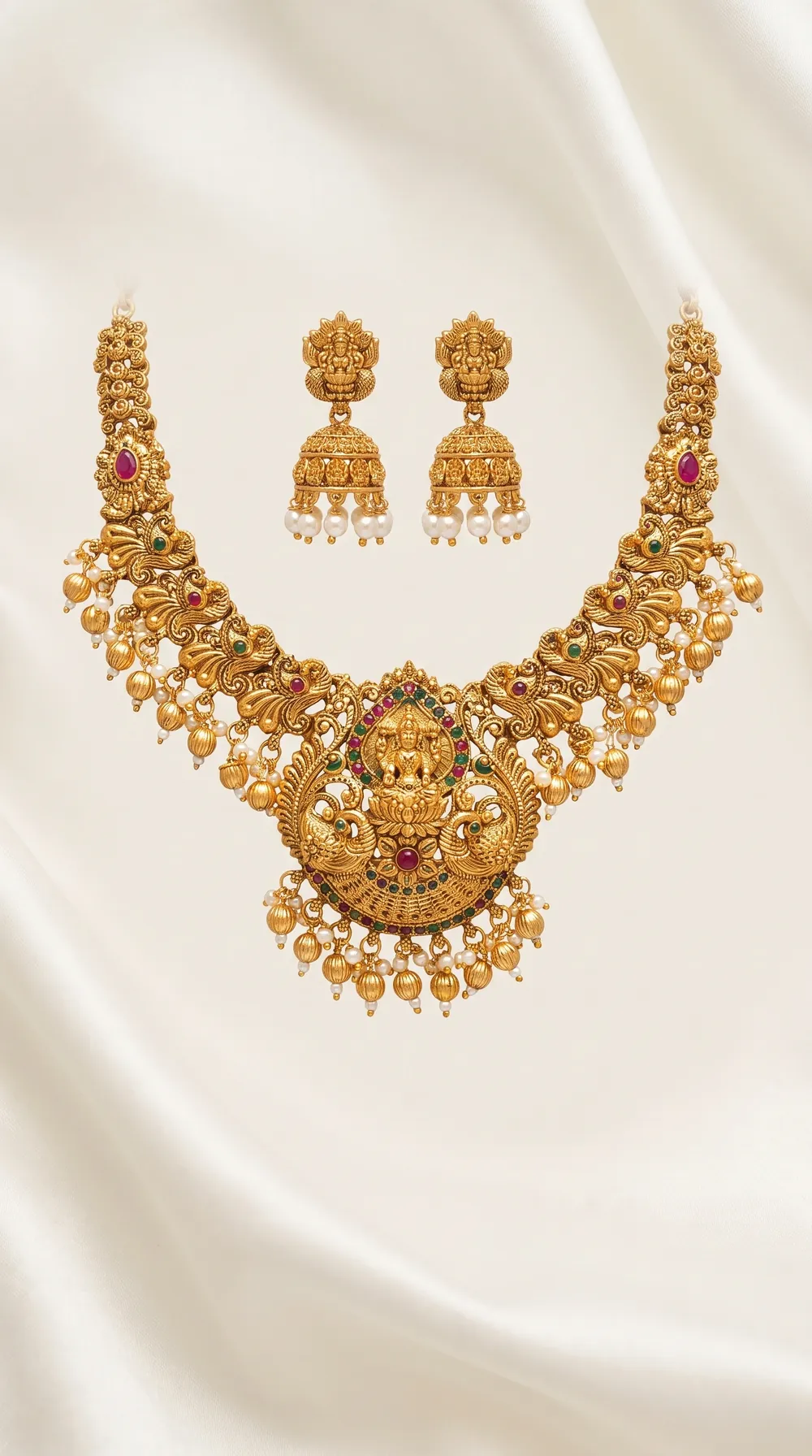
This is a short article because the honest answer is short: there is very little you should do to clean plated jewellery, and most of what people try makes it worse permanently.
What not to use, and why
Water. Moisture is what gets under plating at any thin point and lifts it from below. Rinsing a piece is not neutral; it is the first step of the damage.
Toothpaste. It is an abrasive. It is designed to scrub a hard surface, and gold plating is measured in fractions of what a toothbrush removes.
Lemon, vinegar, tamarind. All acidic. They will brighten a piece for one evening by taking off the top of the finish, and that layer does not come back.
Commercial silver or brass polish. Formulated to remove a layer of tarnish from a solid metal. On plated jewellery the layer it removes is the gold.
Ultrasonic cleaners. They loosen hand-set stones. On a Kundan-style piece where stones sit in pushed metal rather than claws, this is exactly the wrong tool.
What actually works
A dry, soft cloth. That is the whole toolkit.
Wipe each piece after wearing it, while it is still warm from being worn, so you are removing sweat and skin oil before they sit. Then leave it in the open for an hour before it goes back in the box, so any remaining moisture leaves rather than being sealed in.
For dirt caught in a crevice, a dry soft brush used gently is the limit of what is safe. A faint residue in a recess is better than a stripped piece.
If a piece has gone dull
Work out what actually happened before reaching for anything:
- Dull all over, evenly - usually a film of skin oil and product. A dry cloth will bring most of it back.
- Dull in one patch, at a contact point - the plating has worn through there. Nothing will restore it, and polishing takes off more of what is left. The piece is still wearable; that spot will not improve.
- A dark line in the recesses of antique work - that is the finish, not dirt. Do not clean it out. It is what makes the motif read.
The last one matters. A lot of antique-gold pieces are "cleaned" until the recesses brighten, and the owner has removed the thing they paid for.
Prevention is the actual answer
Cleaning is damage control. What decides how a plated piece looks in three years is what it touches:
- Jewellery goes on last - after perfume, hairspray, lotion - and comes off first.
- Never worn in water, while exercising, or while sleeping.
- Each piece stored in its own pouch, away from damp, never loose against another piece.
Storing jewellery through an Indian monsoon covers the storage side properly, and why jewellery leaves a green mark explains what is happening chemically when it does.
What we do not claim
We make no promise that a piece will not change over time. Every gold-plated item from every maker eventually shows wear at its contact points, and a shop telling you otherwise is promising something it does not control. What we will tell you is what a piece is made of and how the barrier works.
Shop this look
More in care tips for imitation jewellery and the jewellery care guide.
The honest part
Everything here is gold-plated Zamak with hand-set kemp and kundan stones, cast and finished in our workshop in Kandivali East, Mumbai. It is imitation jewellery, not solid gold, and the product page says so rather than leaving it to be found out. Free shipping across India, GST in the price, and a manufacturing defect reported within 48 hours of delivery with a continuous unboxing video is repaired or replaced free.