Blogs
Styling notes, craft stories and bridal inspiration from Saubhagya.
Latest from the journal
Showing 1–12 of 147 · page 1 of 13
 26 Sept 2026
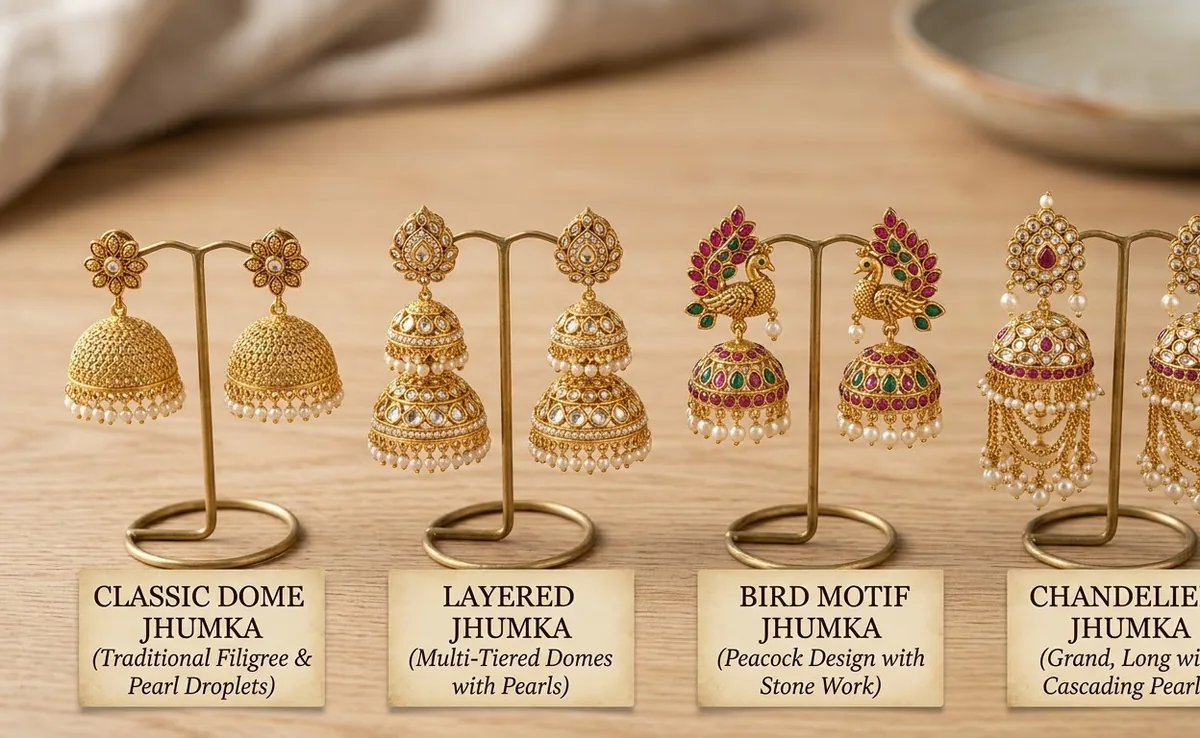
Jhumka Kaise Pahne, Aur Stone Nikle To Kaise Thik Kare
Jhumka kaise pehnein taaki kaan na dukhe, sahara chain kab lagayein, chehre ke hisaab se size, aur jhumke ka stone nikal jaaye to ghar par kaise chipkaayein - Hinglish mein.
Read the blog → 26 Sept 2026
Kundan Jewellery Kya Hota Hai? Kundan, Polki Aur Jadau
Kundan jewellery kya hota hai, Kundan aur Polki mein farak, jadau setting ka matlab, Jaipur-Bikaner se naata, aur imitation Kundan kaise parkhein - Hinglish mein.
Read the blog →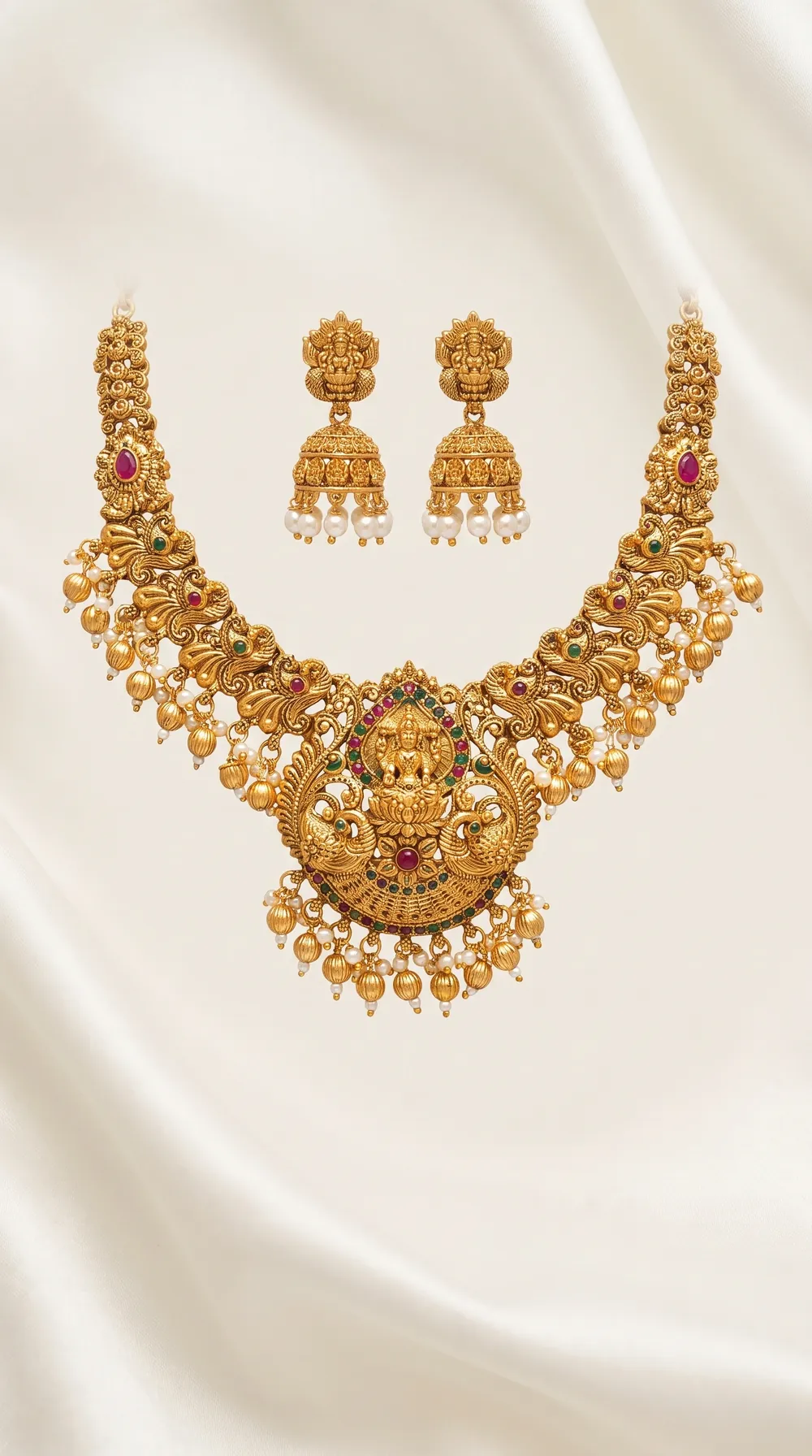 26 Sept 2026
One Gram Gold Jewellery Kya Hota Hai? Sach Aur Myth
One gram gold jewellery ka matlab kya hai, kya sach mein 1 gram sona hota hai, gold-plated aur micron se farak, hallmark kyun nahi hota, aur khareedne se pehle kya poochhein.
Read the blog → 26 Sept 2026
Saree Aur Lehenga Ke Sath Jewellery Kaise Pahne
Saree aur lehenga ke saath kaunsi jewellery pehnein - neckline ke hisaab se necklace, jhumka ya chandbali, rang ka combination, aur "ek hi hero" ka niyam, Hinglish mein.
Read the blog → 26 Sept 2026
Temple Jewellery Kya Hoti Hai? Poori Jaankari Hinglish Mein
Temple jewellery kya hoti hai, kahan se aayi, Lakshmi, mor aur kemp stone ka matlab kya hai, Nagercoil ka GI tag, aur pehla piece kaise chunein - Hinglish mein.
Read the blog →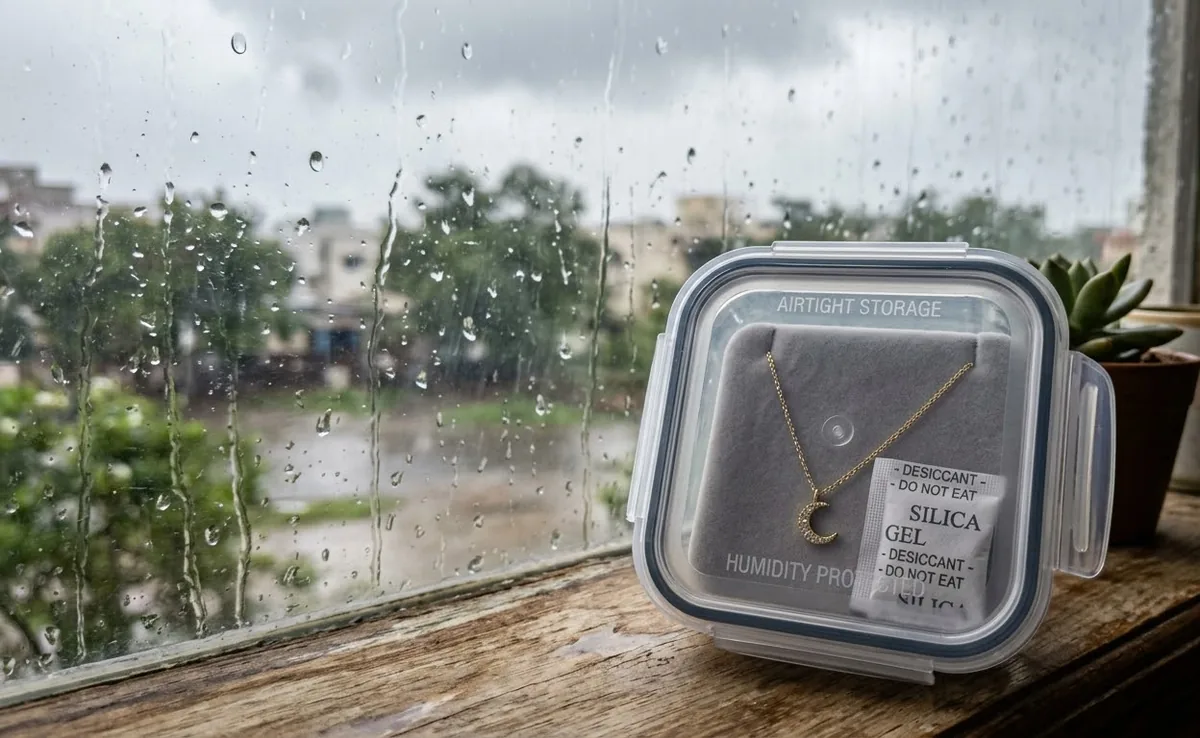 26 Sept 2026
Artificial Jewellery Kaise Rakhe Taaki Kaali Na Pade
Artificial jewellery ko ghar par kaise rakhein taaki kaali na pade - zip pouch, silica gel, alag dibbe, aur monsoon mein kya dhyan rakhna hai, Hinglish mein.
Read the blog →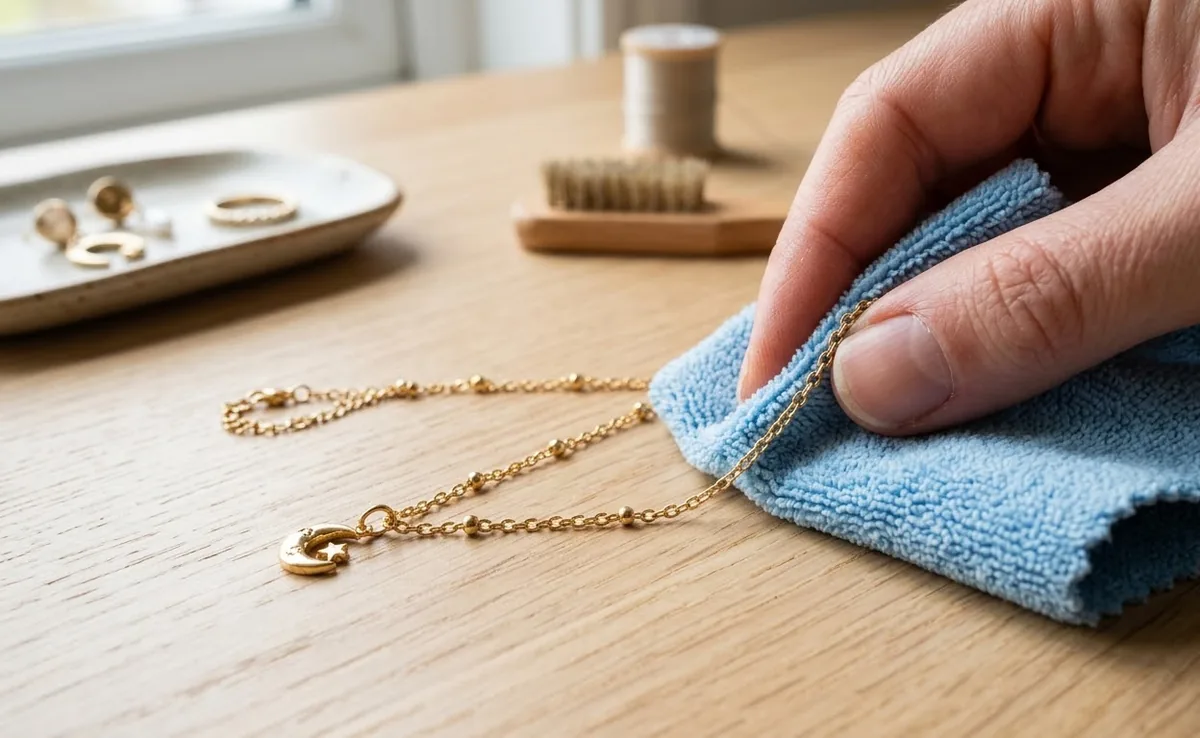 26 Sept 2026
Artificial Jewellery Kaise Saaf Kare: Ghar Par Safe Tarika
Artificial jewellery ko ghar par kaise saaf karein aur chamkayein - sookha kapda, soft brush, aur kin cheezon se bachna hai (toothpaste, nimbu, soda), Hinglish mein.
Read the blog →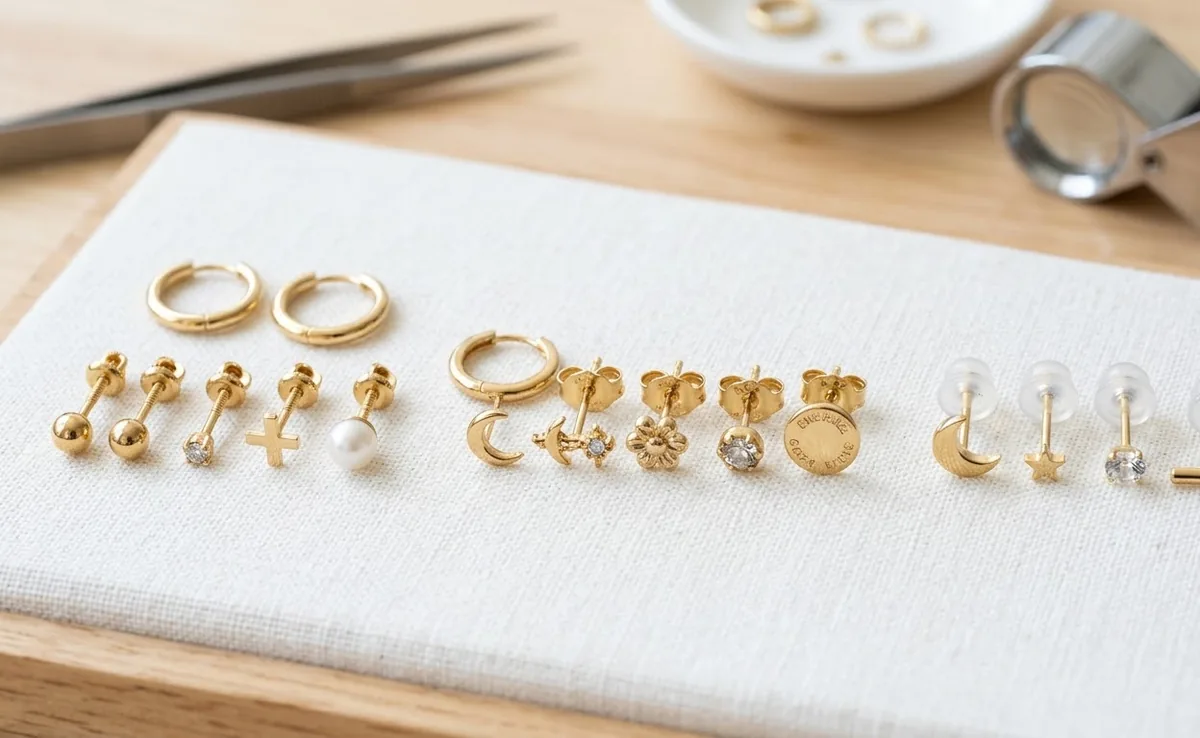 26 Sept 2026
Artificial Jewellery Se Allergy Ho To Kya Kare
Artificial jewellery pehnne se khujli, laali ya daane ho rahe hain? Kya karna chahiye, doctor ko kab dikhana hai, aur nickel allergy kya hai - bharosemand sources ke saath.
Read the blog →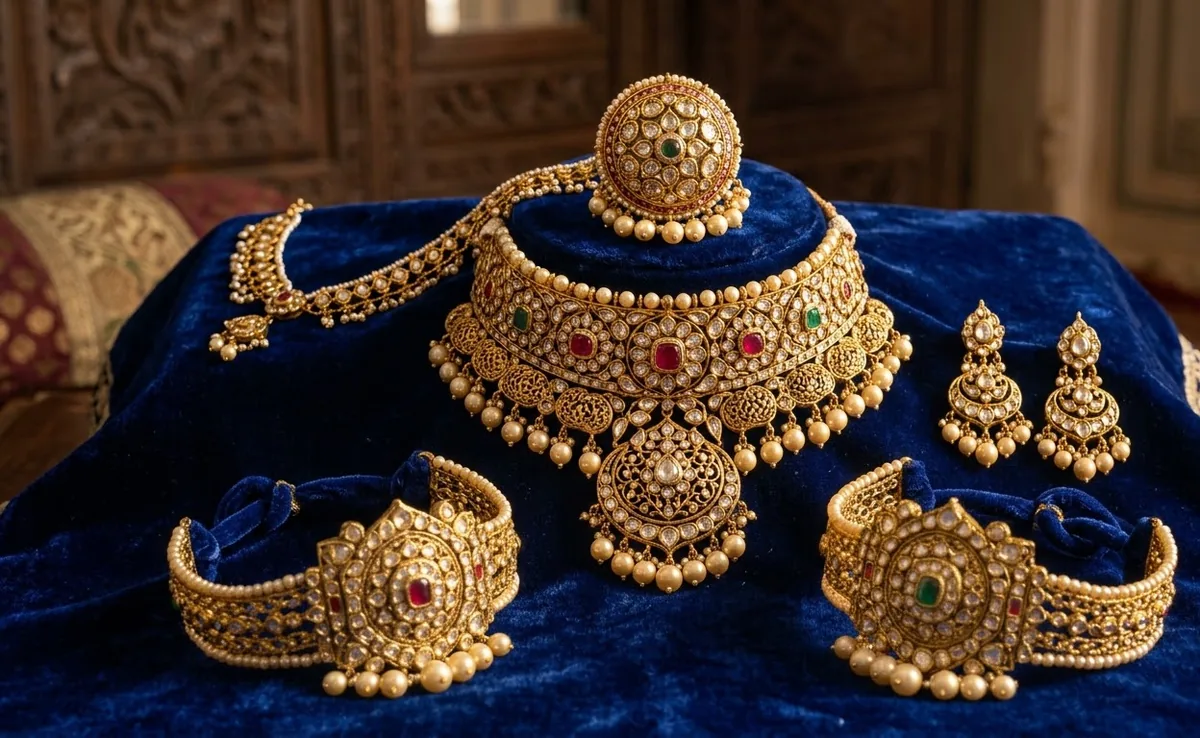 23 Sept 2026
What You Are Actually Paying For in Imitation Jewellery
Imitation jewellery price explained: base metal, plating, stones and labour, why two similar pieces can differ by three times in price, and when a low price is a warning.
Read the blog →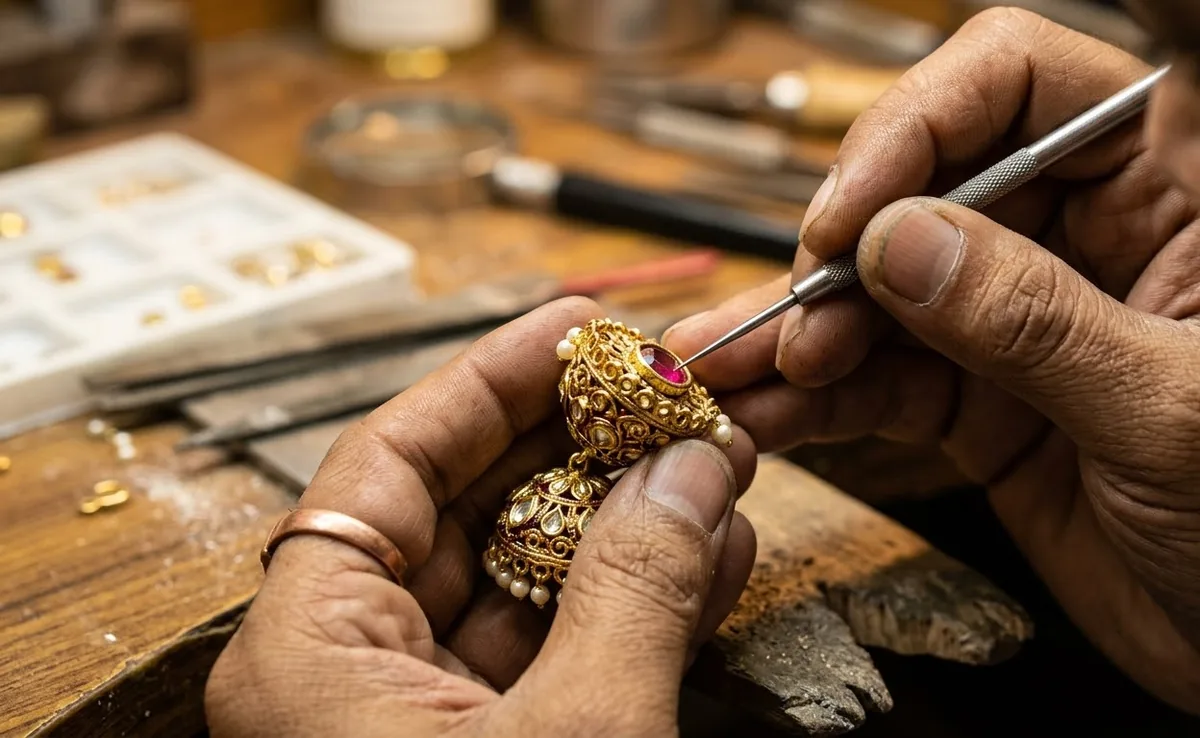 23 Sept 2026
A Stone Came Loose. What Now?
Loose stone in imitation jewellery: why stones come loose, what you can safely do at home, and when to stop and send the piece back instead.
Read the blog →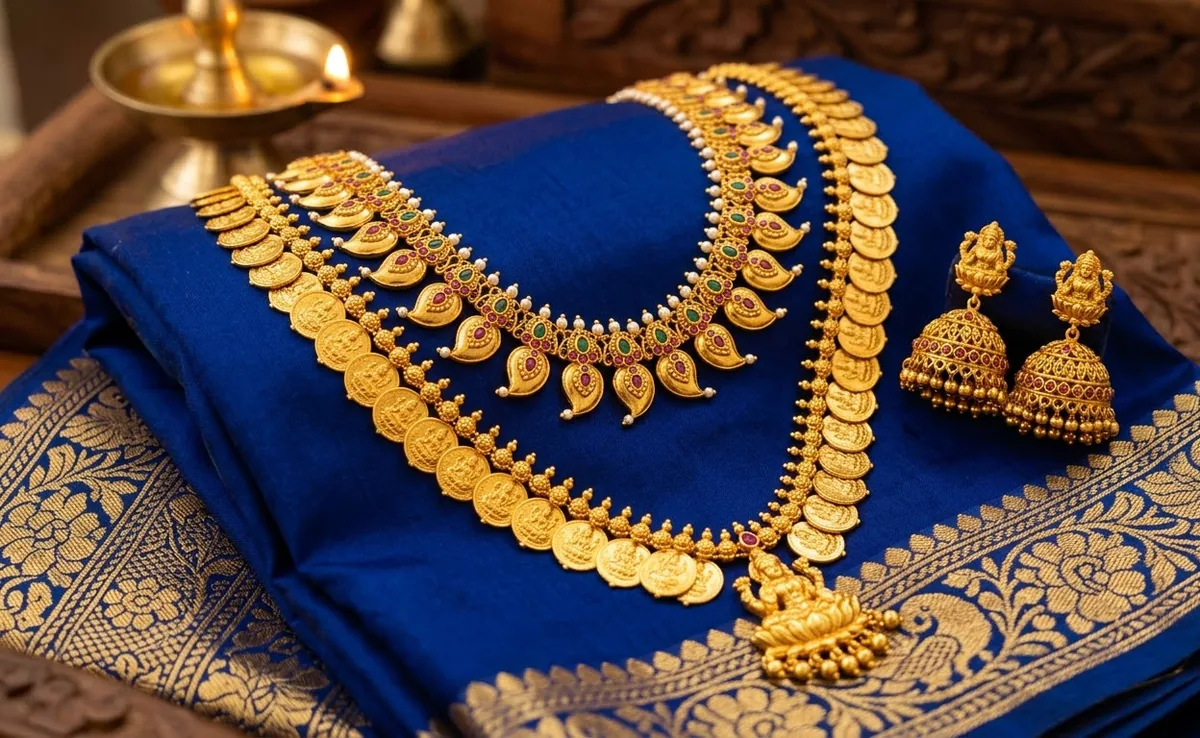 23 Sept 2026
Kannada Bridal Jewellery: A Practical Guide
Kannada bridal jewellery for a Karnataka wedding: kasina sara, jhumkis, vanki, the waist belt and mangalsutra - how it differs from Tamil and Telugu looks, and what works with Mysore silk.
Read the blog →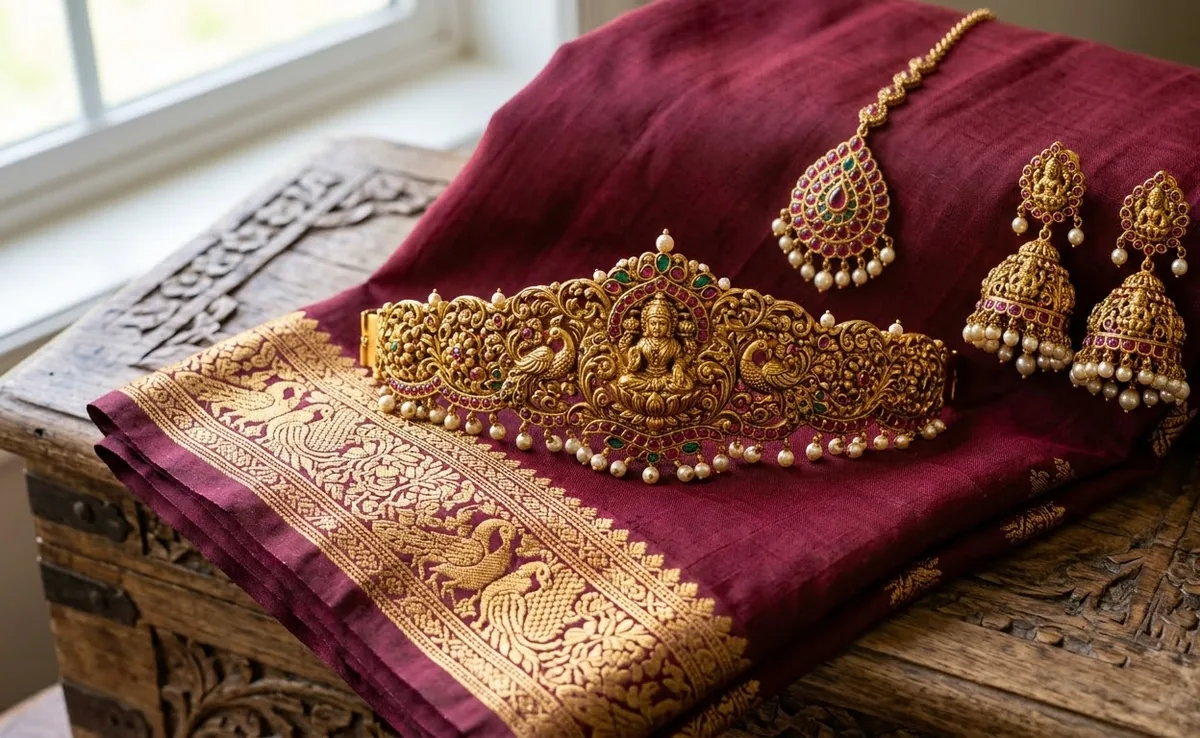 23 Sept 2026
Famous Jewellery of Indian States: A Region-by-Region Guide
Which Indian state is famous for which jewellery? Temple jewellery from Tamil Nadu, Kundan and meenakari from Rajasthan, filigree from Odisha, pearls from Hyderabad and more - with the cities behind each craft.
Read the blog →
Style & wedding guides
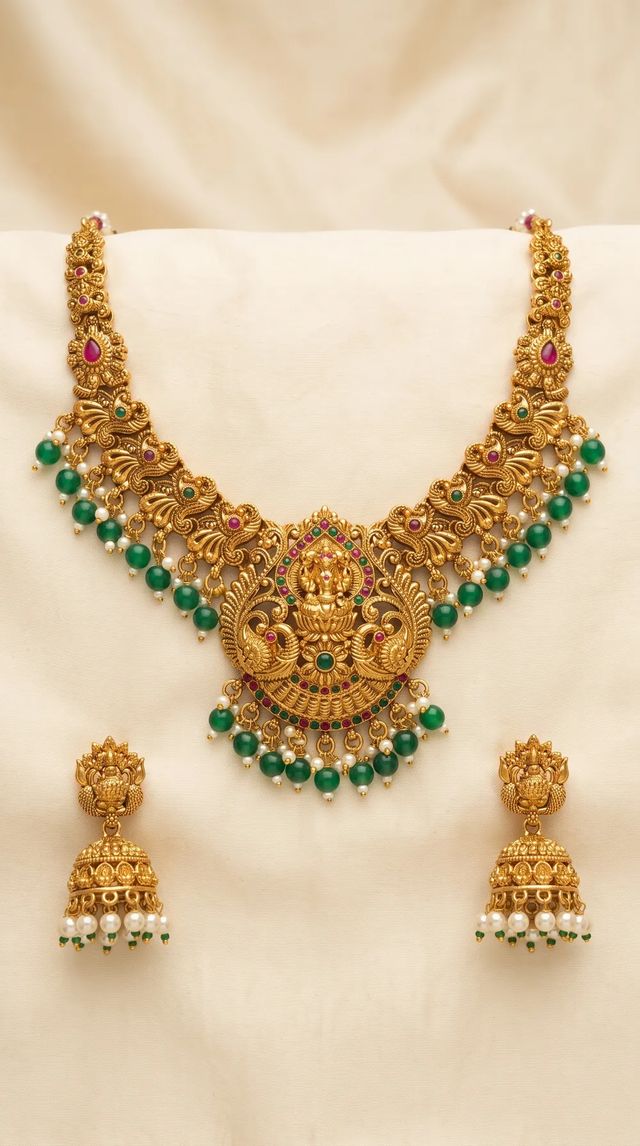
How to style temple jewellery beyond the wedding
Temple jewellery is not only for the mandap. A matte antique-gold choker over a plain silk kurta lifts a festive dinner instantly; matte jhumkas with a cotton saree work for pujas and office celebrations alike.
Read the blog →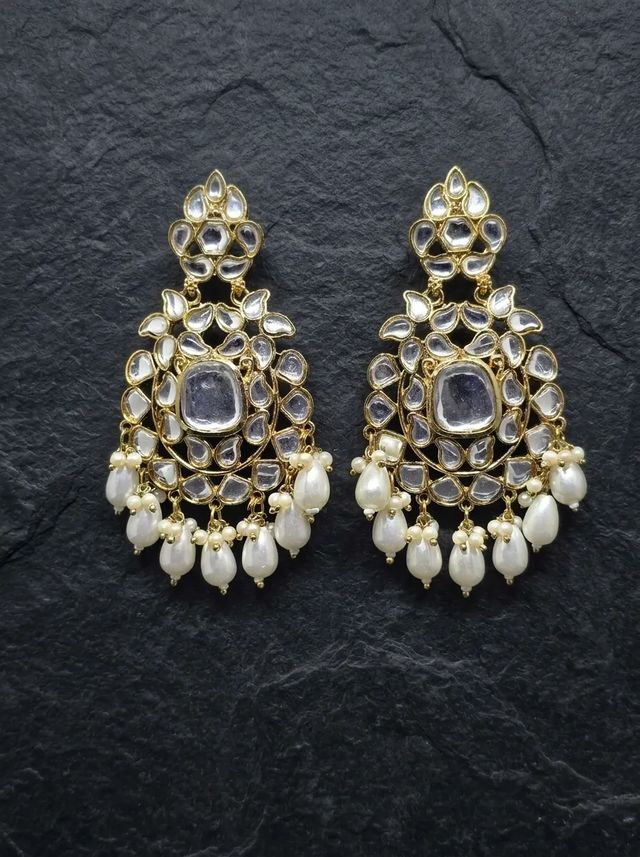
Kundan vs Polki: what brides should actually compare
Kundan settings hold flat, foiled glass stones in gold-toned frames for a formal, structured sparkle; Polki-style pieces use uncut-look stones for a raw, older-world glow.
Read the blog →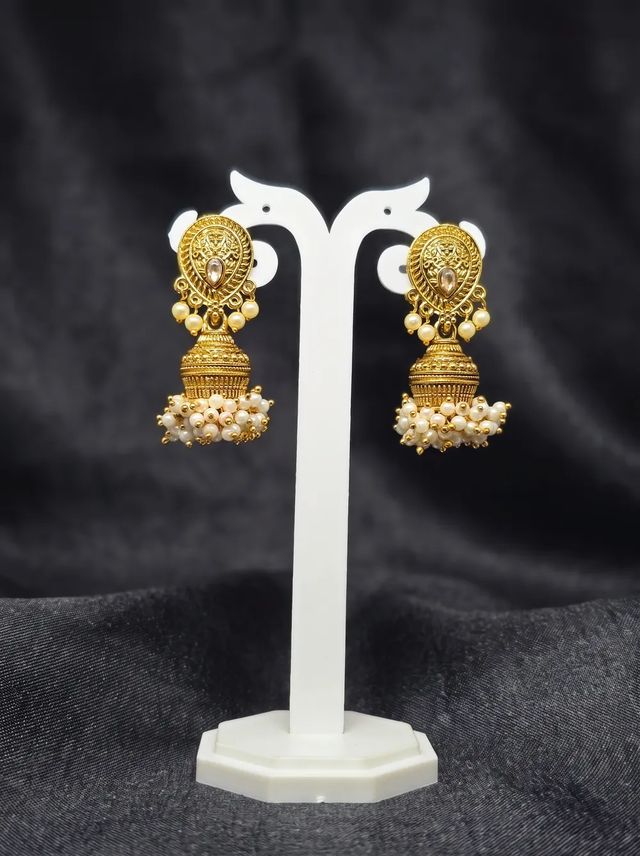
Caring for matte antique-gold finishes
Imitation jewellery lasts years with three habits: wear it last, wipe it with a dry soft cloth before storing, and keep each piece in its own zip pouch so platings never rub.
Read the blog →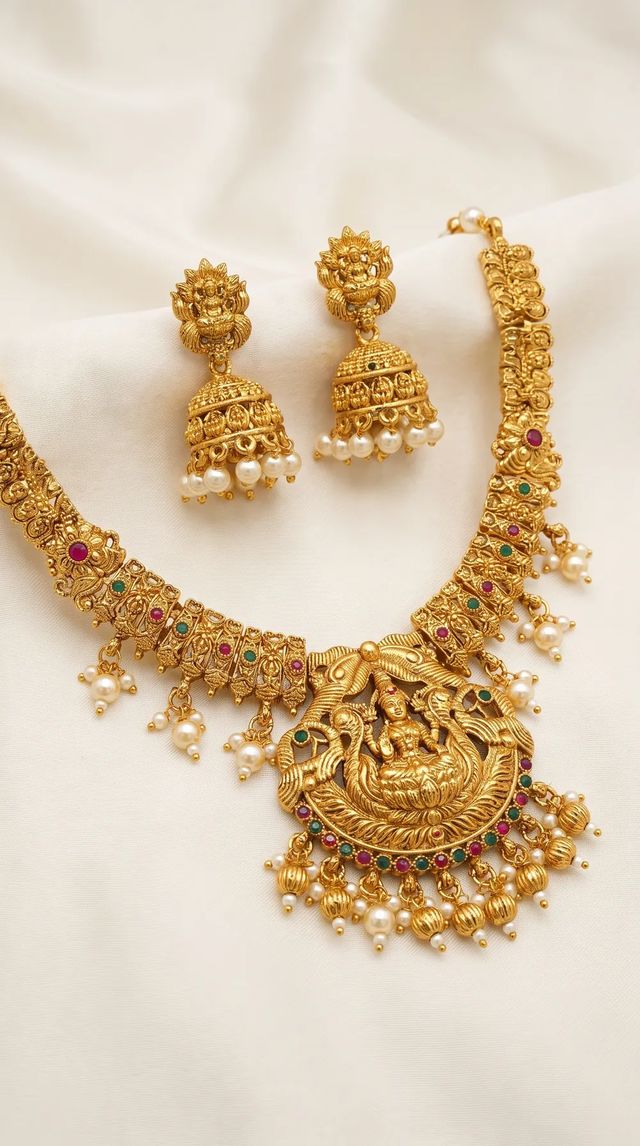
Choosing a bridal set that survives a 6-hour event
Weight decides comfort: pick a haaram that sits below the collarbone, earrings with ear-chain support if they cross 40 grams, and a maang tikka with a hook - not a paste patch.
Read the blog →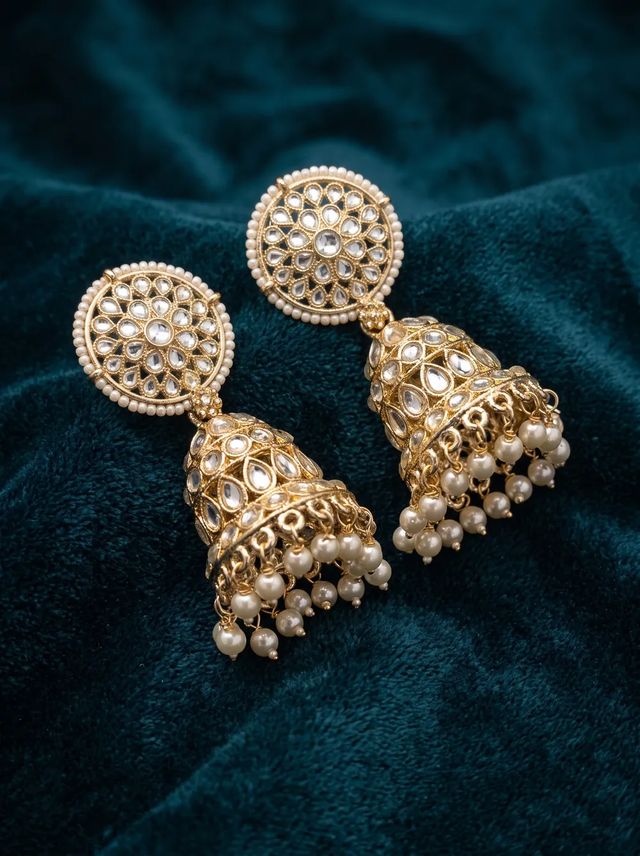
Punjabi wedding jewellery: what a bride actually wears
From chooda and kalire to jhumka and choker - the full Punjabi bridal jewellery checklist, and how to layer gold-plated pieces without the weight of a long baraat day.
Read the blog →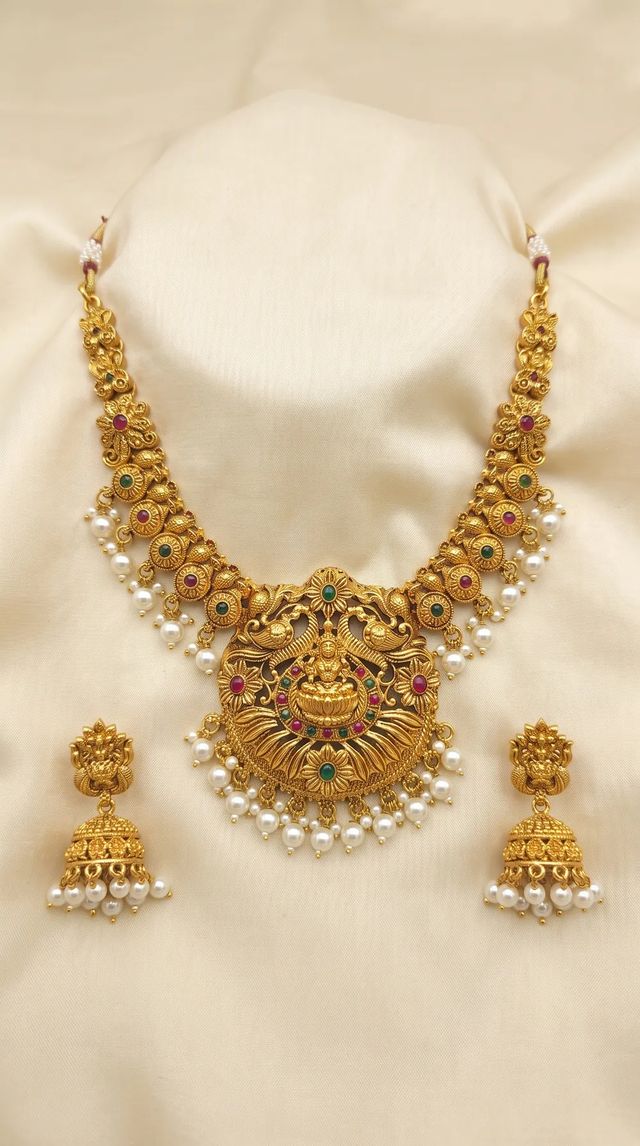
Bengali bride jewellery: champakali, tikli and the right jhumka
Champakali and chik necklaces, the tikli at the hair parting, and long jhumkas - the East Indian bridal set explained for brides everywhere.
Read the blog →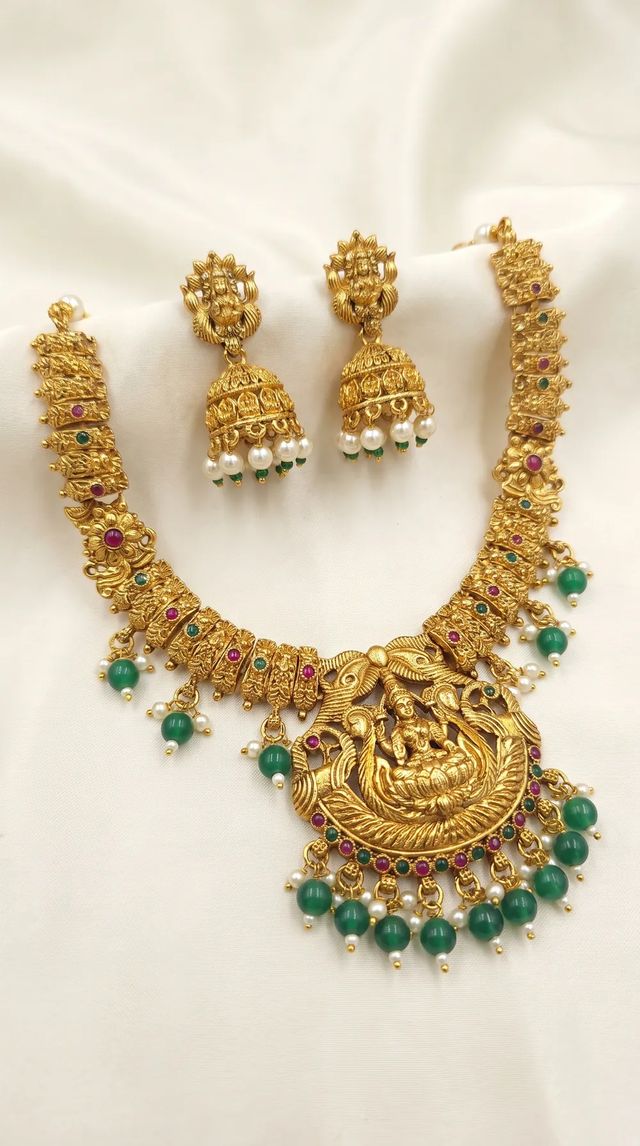
Maharashtrian jewellery: nath, kolhapuri saaj and tanmani
The nath nose ring, the layered kolhapuri saaj and the tanmani pendant - how the West Indian festive set pairs with paithani and nauvari sarees.
Read the blog →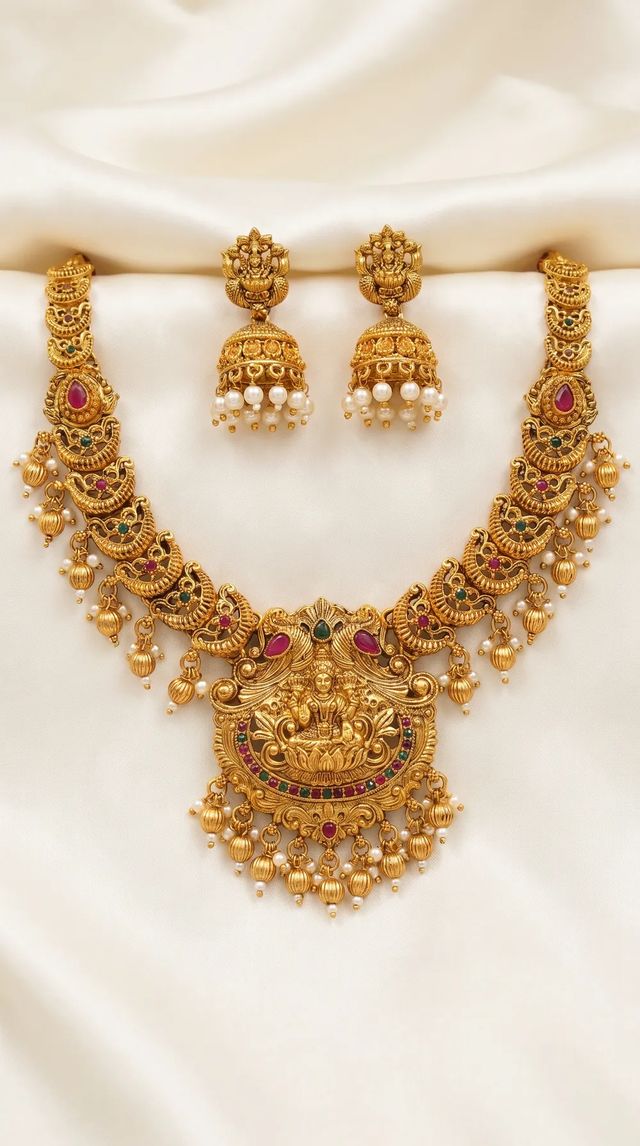
South Indian temple jewellery: jhumkas, kasulaperu and kemp
Temple jhumkas, coin necklaces and kemp stones - the South Indian pieces every bride and festive lover should know, styled over silk sarees.
Read the blog →
Guide index
Find a guide by topic
All 147 of our jewellery guides, sorted by what you are looking for. Pick a topic to jump straight to it.
- Hinglish mein 8
- Gifting 15
- Bridal and weddings 27
- Festivals 7
- Earrings 15
- Necklaces and pendants 12
- Styles and craft 29
- Care 10
- Buying guides 24
Hinglish mein
8 guidesHindi-English mein seedhi baat: saaf kaise karein, kaise rakhein, allergy, temple, Kundan aur one gram gold.
- Artificial Jewellery Kaise Rakhe Taaki Kaali Na Pade
- Artificial Jewellery Kaise Saaf Kare: Ghar Par Safe Tarika
- Artificial Jewellery Se Allergy Ho To Kya Kare
- Jhumka Kaise Pahne, Aur Stone Nikle To Kaise Thik Kare
- Kundan Jewellery Kya Hota Hai? Kundan, Polki Aur Jadau
- One Gram Gold Jewellery Kya Hota Hai? Sach Aur Myth
- Saree Aur Lehenga Ke Sath Jewellery Kaise Pahne
- Temple Jewellery Kya Hoti Hai? Poori Jaankari Hinglish Mein
Gifting
15 guidesIdeas for a wife, sister, daughter or in-laws, and for every occasion from Rakhi to an anniversary.
- Anniversary Jewellery Gift for Wife: Ideas by Year and Style
- First Karva Chauth Gift for Wife: Jewellery Ideas
- Giving Jewellery as a Gift in India
- Godh Bharai Jewellery: What to Wear and What to Gift
- Jewellery Gift for Daughter-in-Law: Welcome Her Home
- Jewellery Gift for Daughter: Birthday to Wedding Day
Show all 15Show fewer
- Jewellery Gift for Girlfriend: Is a Necklace a Good Gift?
- Jewellery Gift for Mother-in-Law: What She Will Wear
- Jewellery Gift for Sister-in-Law: Bhabhi and Nanad Ideas
- Jewellery Gift for Sister: Birthday, Rakhi and Wedding Ideas
- Jewellery Gift for Wife: Birthday, Anniversary, Festival
- Jewellery Gifts Under ₹1000 for Wife, Sister or Friend
- Jewellery Gifts for Every Loved One: An Indian Guide
- Jewellery as a Wedding Return Gift: Ideas by Budget
- Rakhi Gift for Sister: Jewellery Ideas Under ₹500 and ₹1000
Bridal and weddings
27 guidesCeremony by ceremony and region by region: what the bride, her family and the guests wear.
- A Bridal Jewellery Checklist, Ceremony by Ceremony
- A Full Bridal Look Under ₹5000: Is It Possible?
- Assamese Bridal Jewellery: Junbiri, Dugdugi and the Rest
- Bridal Earrings: The Weight Conversation Nobody Has
- Bridesmaid Jewellery That Does Not Fight the Bride
- Engagement Jewellery Set for the Bride: Saree or Lehenga
Show all 27Show fewer
- Gujarati Bridal Jewellery: What the Look Actually Needs
- Haldi Jewellery for the Bride: Flower Sets and Turmeric Care
- How to Budget Indian Bridal Jewellery Without Regretting It
- Kannada Bridal Jewellery: A Practical Guide
- Kerala Bridal Jewellery: Understated by Design
- Marwari Bridal Jewellery Explained
- Mehendi Jewellery for the Bride: Keep Your Hands Free
- Mother of the Bride: Jewellery That Reads as Dignified
- Odia Bridal Jewellery and the Filigree Tradition
- Popular Bridal Jewellery Styles for Indian Weddings
- Rajasthani Bridal Jewellery, Piece by Piece
- Reception Jewellery for the Bride: Saree, Lehenga, Gown
- Sangeet Jewellery for Bride and Guests: Dance-Proof
- Seven Jewellery Mistakes at Indian Weddings
- Sindhi Bridal Jewellery: What Goes With the Look
- South Indian vs North Indian Bridal Jewellery
- Tamil Brahmin Wedding Jewellery: The Full List
- Telugu Wedding Jewellery and What Each Piece Means
- Temple Jewellery for Bharatanatyam: A Dancer's Checklist
- Temple vs Kundan Jewellery: Which One Suits Your Wedding
- What to Wear to Someone Else’s Wedding
Festivals
7 guidesWhat to wear for Diwali, Navratri, Karva Chauth, Onam, Pongal and Durga Puja.
- Durga Puja Jewellery: Bengali Looks From Shashthi to Dashami
- Griha Pravesh Jewellery: Dressing for a House Warming Puja
- Karva Chauth Jewellery: Solah Shringar and What to Wear
- Navratri Jewellery for Women: What to Wear for Garba
- Onam Jewellery: What to Wear With a Kasavu Saree
- Pongal Jewellery: Traditional Tamil Looks for the Festival
- What Jewellery to Wear for Diwali
Earrings
15 guidesJhumkas, chandbalis and studs: which style suits you, and how to wear them in comfort.
- Chandbali: How to Pick One That Does Not Overpower You
- Ear Chains and Saharas: Support or Decoration?
- Earrings That Do Not Hurt: What to Look For
- Earrings by Face Shape: The Version That Is Actually Useful
- Earrings for Kurtis and the Office
- Earrings for a Saree: Matching the Drape, Not the Colour
Show all 15Show fewer
- Every Jhumka Style, and Who Each One Suits
- How Heavy Is Too Heavy for Earrings? Weight and Comfort
- How a Jhumka Is Actually Made
- How to Photograph Jewellery on Yourself (Without a Studio)
- Jhumka vs Chandbali: Which Earring Actually Suits You
- Lightweight Earrings for a Six-Hour Function
- Oxidised or Gold Plated: A Straight Comparison
- Stud or Jhumka? Choosing by Occasion, Not by Mood
- Why Earrings Turn Your Ears Black, and How to Stop It
Necklaces and pendants
12 guidesChokers, harams, mangalsutras and pendants, and how to match them to your neckline.
Styles and craft
29 guidesTemple, kundan, meenakari, polki and antique finish: what each one is and how it is made.
- Antique Finish or Gold Finish? A Straight Comparison
- Brass vs Zamak: What Artificial Jewellery Is Made Of
- Cubic Zirconia (American Diamond): Is CZ a Real Diamond?
- Getting the Polki Look Without the Polki Price
- How to Keep Kundan Jewellery From Going Dull
- How to Style Temple Jewellery with Sarees and Ethnic Outfits
Show all 29Show fewer
- Imitation Pearls: What They Are Made Of and How to Spot Them
- Is Temple Jewellery in Trend? How People Wear It Now
- Jadau Jewellery: The Technique Behind the Price
- Kemp Stones: The Red That Makes Temple Jewellery Look Right
- Kundan or American Diamond: Which One for Your Function?
- Matte or Glossy Gold: Which Finish to Choose
- Meenakari Enamel vs Paint: How to Tell the Difference
- Meenakari: The Colour on the Back of the Piece
- Micron Gold Plating Explained: What the Number Means
- Nakshi vs Temple Jewellery: What Is the Difference?
- Nethi Chutti and Maang Tikka: Not the Same Thing
- Oddiyanam: Choosing a Waist Belt That Works
- Perfume First, Jewellery Second: Why the Order Matters
- Rajwadi Jewellery: What the Word Is Doing on a Product Page
- Temple Jewellery Price: Gold Rate vs Gold-Plated Explained
- The Mango Motif and the Manga Malai
- The Peacock in Indian Jewellery, and How to Read It
- The Vanki: An Armlet That Has to Fit
- Wearing Temple Jewellery on an Ordinary Day
- What Is Antique Finish Jewellery? How the Look Is Made
- What Is Temple Jewellery and Why Is It So Popular?
- What Kundan Jewellery Actually Is
- Why Lakshmi Sits at the Centre of Temple Jewellery
Care
10 guidesCleaning, storing and travelling with gold-plated jewellery so it keeps its colour.
Buying guides
24 guidesMaterials, plating, sizes and prices: what to know before you buy jewellery online.
- Artificial vs Imitation vs Fashion Jewellery: The Difference
- Bangle Size Chart India and Online Jewellery Size Guide
- Best Artificial Jewellery Brand in India? How to Judge
- Famous Jewellery of Indian States: A Region-by-Region Guide
- GST on Artificial Jewellery in India: Rate, HSN 7117
- Gold-Plated vs One Gram Gold: What You Are Actually Buying
Show all 24Show fewer
- How Long Does Gold Plating Actually Last?
- How to Judge Jewellery From a Product Photo
- How to Make Artificial Jewellery Look Expensive
- Is Artificial Jewellery Bad for Skin? Side Effects Explained
- Is Buying Jewellery Online Safe? A Guide for India
- Is Gold Plated Jewellery Hallmarked? What Applies
- Is Gold Plated Jewellery Worth Buying? Honest Answer
- Is Imitation Jewellery Worth Buying?
- Jewellery for Black Saree: What Suits Every Border
- Jewellery for Western Dresses, Gowns and Indo-Western
- Matching Jewellery to a Silk Saree
- Matching Set or Mixed Pieces? The Case for Both
- Reading a Jewellery Return Policy Properly
- Spotting Bad Plating From a Product Photo
- Types of Maang Tikka: Names, Styles and How to Wear Them
- Wearing Indian Jewellery to the Office Without Overdoing It
- What You Are Actually Paying For in Imitation Jewellery
- Why Jewellery Never Looks Exactly Like Its Photo